
Clear, Reliable Tax Guidance for Individuals, Families, and Businesses
We’ve designed this page to give you a clear and practical overview of key Canadian tax concepts—so you know what to expect throughout the year and feel confident in your financial decisions. This is general guidance only; for advice tailored to your unique situation, our team is always here to help.
How Canadian Income Tax Works
- Canada’s tax system includes both federal and provincial components, which together determine your final tax result.
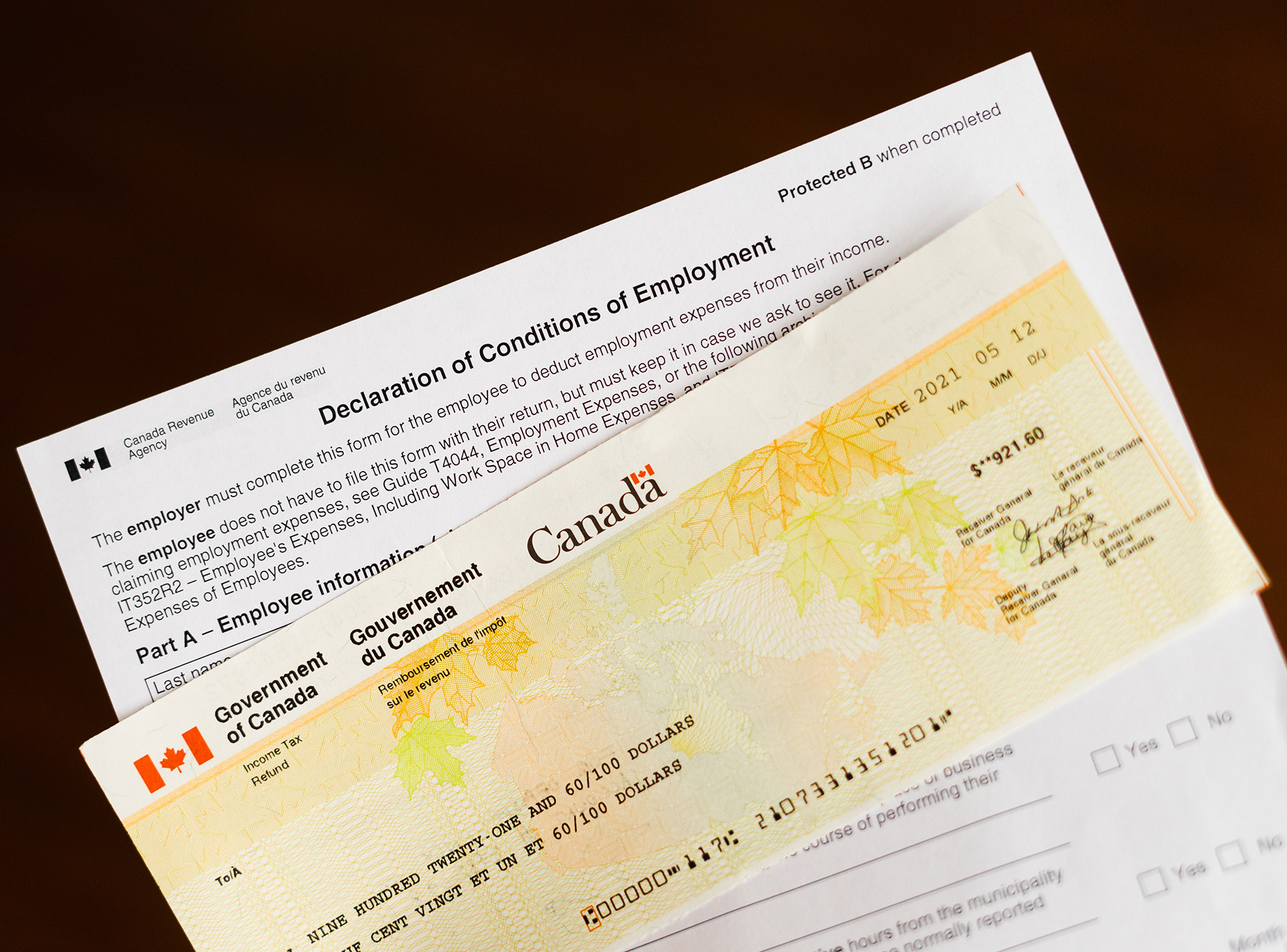
- Your refund or balance owing depends on your total income, deductions, credits, and how much tax was withheld during the year.
- Once your return is assessed, the CRA issues a Notice of Assessment (NOA) confirming your final numbers and any next steps.

Personal Tax Information
Understanding what affects your personal taxes can help you avoid surprises and plan ahead:
- Common slips you may receive include T4s, T5s, T3s, tuition forms, RRSP receipts, and childcare receipts.
- Your refund or balance owing may change based on:
- Multiple income sources
- Benefit payments or adjustments
- RRSP contributions or withdrawals
- Investment income
- Differences in withholding between employers
- Credits and deductions—such as medical expenses, donations, education amounts, and childcare—can reduce your tax payable.
- Registered accounts (RRSP, TFSA, RESP) each have unique tax implications when you contribute or withdraw.
Our team can help you understand how these items apply to your personal situation.
Small Business and Sole Proprietors
If you operate a business, proper reporting helps reduce tax stress and ensures compliance:
- Business income includes sales, invoices, online earnings, and cash receipts.
- Common deductible expenses include supplies, advertising, insurance, utilities, software, and professional fees.
- Vehicle claims require accurate mileage tracking to support your deduction.
- Home office rules vary depending on whether you are an employee or business owner.
- HST registration is required once your business exceeds $30,000 in income within a 12-month period.
We can help you stay organized and identify eligible deductions.


Rental Property Information
If you own rental property, tracking income and expenses properly helps you maximize deductions:
- Keep records of rent collected and all related costs—utilities, repairs, maintenance, insurance, and property taxes.
- Repairs maintain the property, while improvements increase long-term value; CRA treats these differently when calculating deductions.
- Depreciation (CCA) may be available for buildings and certain upgrades.
CRA Installments
If you consistently owe taxes at year-end, CRA may require installment payments:
- Installments are typically required when your net tax owing is $3,000 or more in the current year and either of the previous two years ($1,800 for Quebec residents).
- Making installments helps you avoid interest charges by spreading payments across the year.
We can help you understand your installment obligations and plan ahead.


CRA Letters and Processing
If you receive correspondence from CRA, we can help you interpret and respond:
- Common CRA letters include review requests, reassessments, benefit recalculations, and installment reminders.
- Typical processing timelines:
- Assessments: a few days to several weeks (depending on the case)
- Adjustments: 2–12 weeks
- Reviews: varies by case
Record Keeping Requirements
Keep most tax-related documents—receipts, statements, rental records, and business logs—for at least seven years. Good record keeping helps ensure you’re prepared for any potential CRA review or audit.

Need Assistance?
If you have questions, receive a CRA letter, or experience changes in your tax situation, our team is here to support you every step of the way.
Email:
Phone: 705-742-1961